







POSCO FLOW
Moving the World's Grain
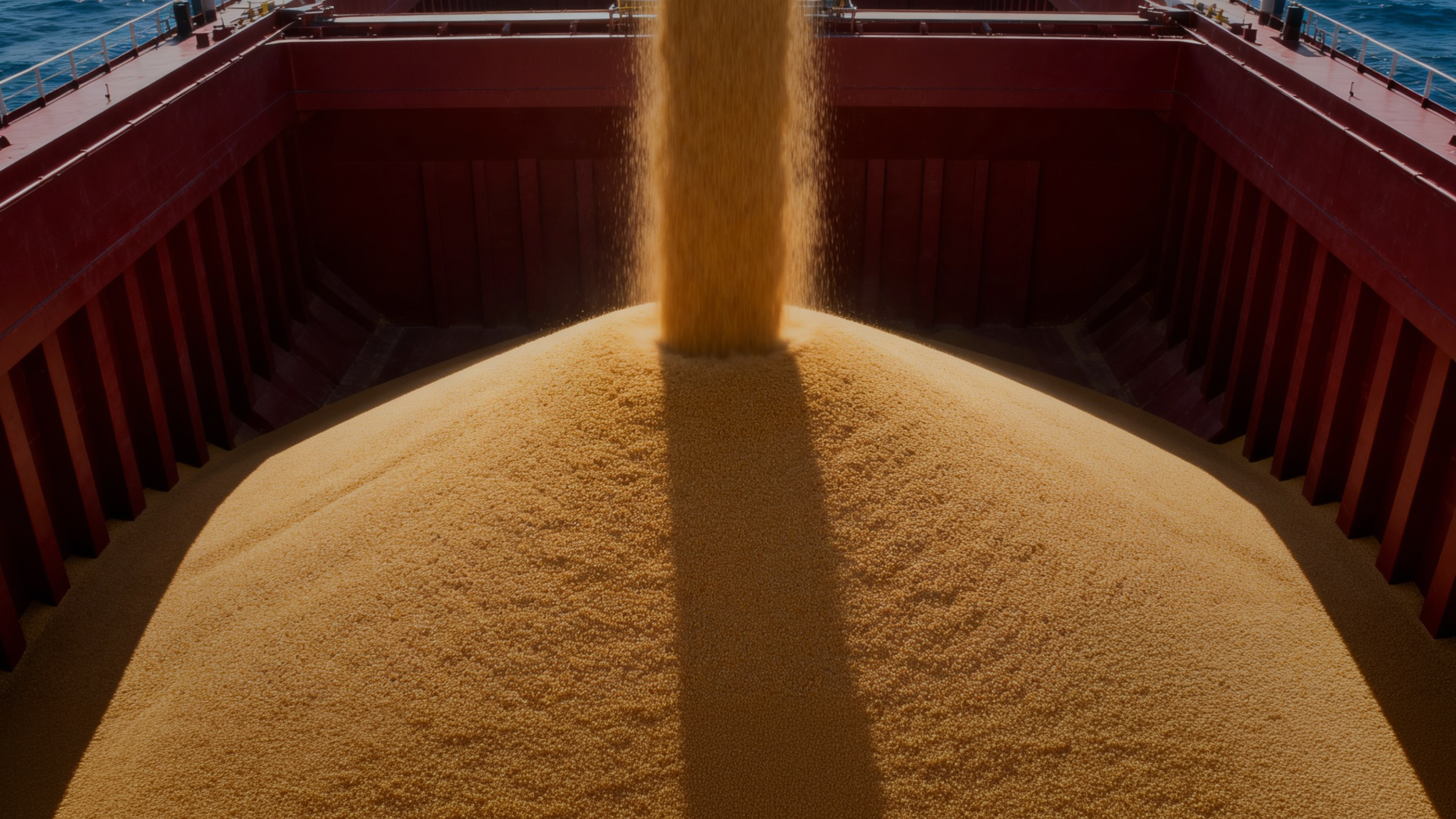
Leveraging a global logistics infrastructure, we connect major agricultural suppliers and buyers worldwide, enhancing the efficiency and stability of grain logistics.
Proven Competitiveness
in Grain Logistics

Grain-Producing Countries

Logistics Partners

Providing integrated support across the
entire trading logistics process, from freight strategy to settlement

Logistics decision-making is supported through market freight analysis and strategic freight planning, helping traders strengthen their competitiveness.
Through the integrated logistics system “FLOWer”, contract, freight differential, and settlement data are centrally managed to achieve standardized processes and logistics optimization.
Beyond importing agricultural products, cross-trade transportation services are also carried out, establishing a logistics operation system capable of flexibly responding to changes in market conditions and freight rates.


Providing step-by-step trading
logistics services, from bidding to settlement
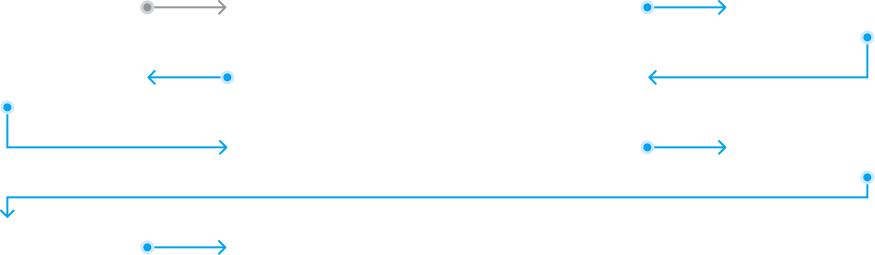
Through a structured operational process spanning from freight quotation and bidding requests to contract execution and settlement, transparency and cost efficiency across trading logistics are ensured.
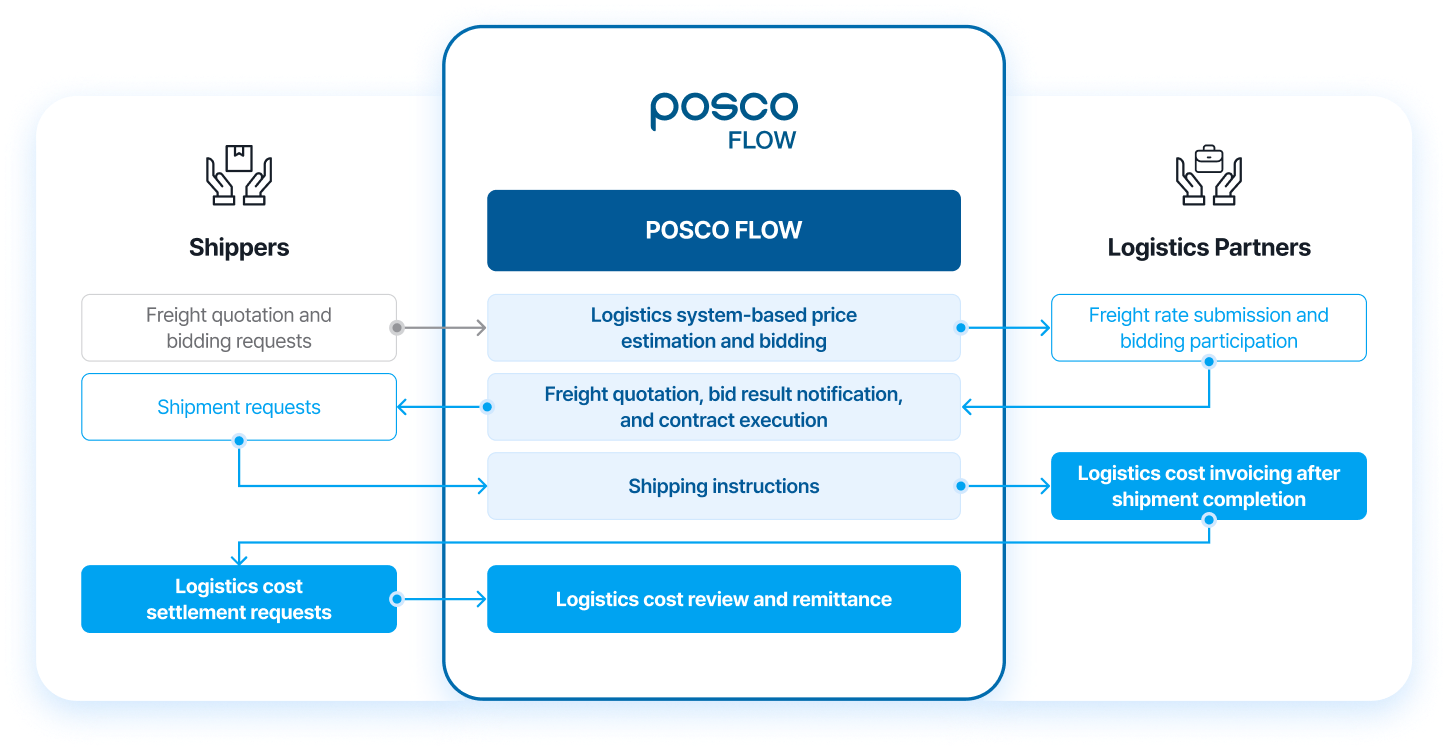
bidding requests Shipment requests Logistics cost
settlement requests
 POSCO FLOW
estimation and bidding Freight quotation, bid result notification,
and contract execution Shipping instructions Logistics cost review and remittance
bidding participation Logistics cost invoicing after
shipment completion
Building sustainable competitiveness
through grain & steel-centered backhaul transportation
and eco-friendly transport systems


Integrated Operational Capabilities for Global Trading Logistics
By integrating and transferring POSCO International's grain trading logistics operations into POSCO FLOW, operational efficiency is enhanced through a unified system that covers the entire process from freight and contracts to settlement.


Sustainable Logistics Operations Based on Backhaul Transportation
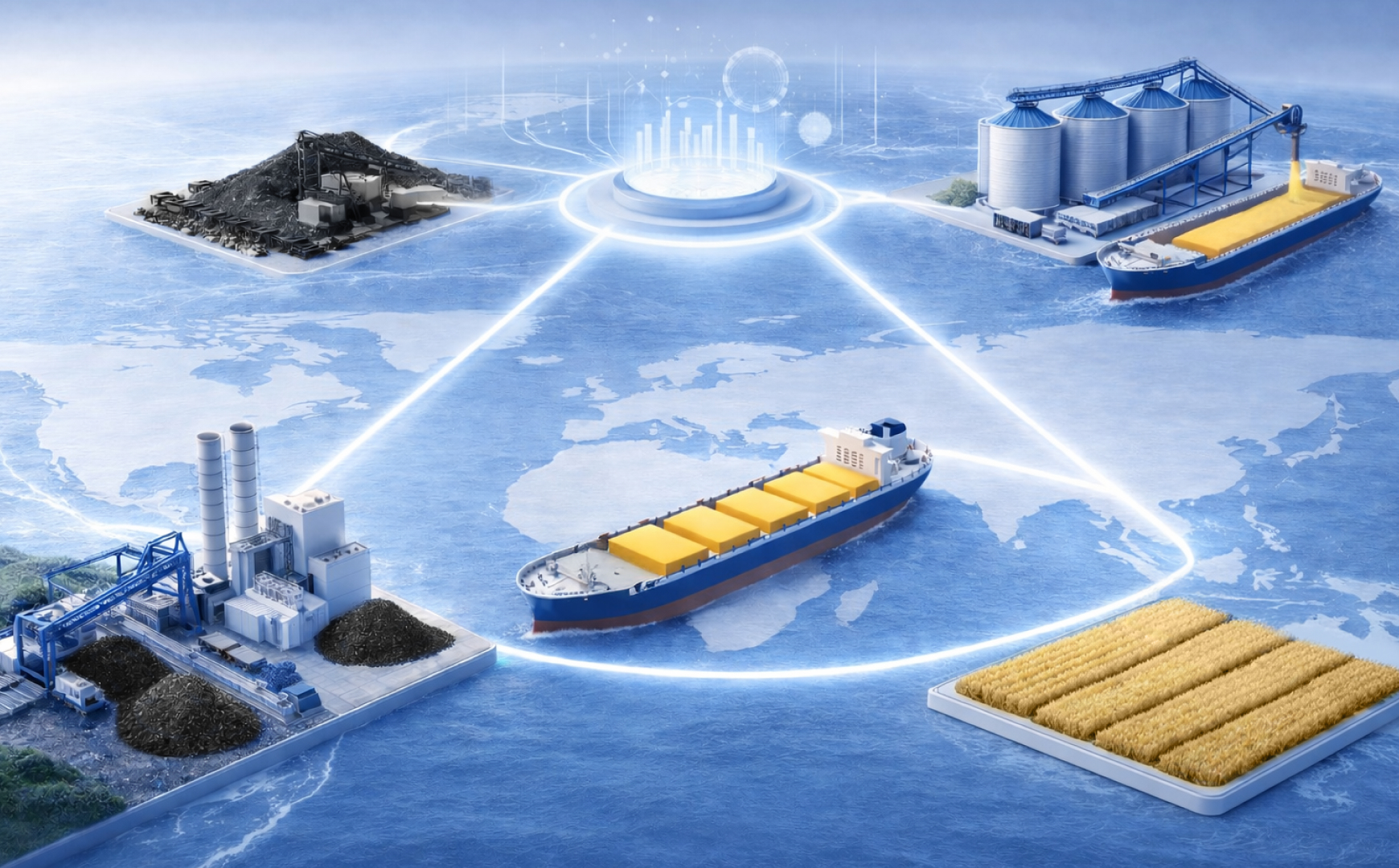
By utilizing backhaul transportation in which grain cargo is loaded following the delivery of steel products to Europe, ballast voyages are minimized, thus reducing freight costs, and carbon emissions.


Contributing to National Food Security
Freight competitiveness is strengthened through strategic transportation programs supporting grain imports to Korea, while efforts to expand cargo volumes from the United States, South America, and the Black Sea region help establish a stable food import infrastructure.
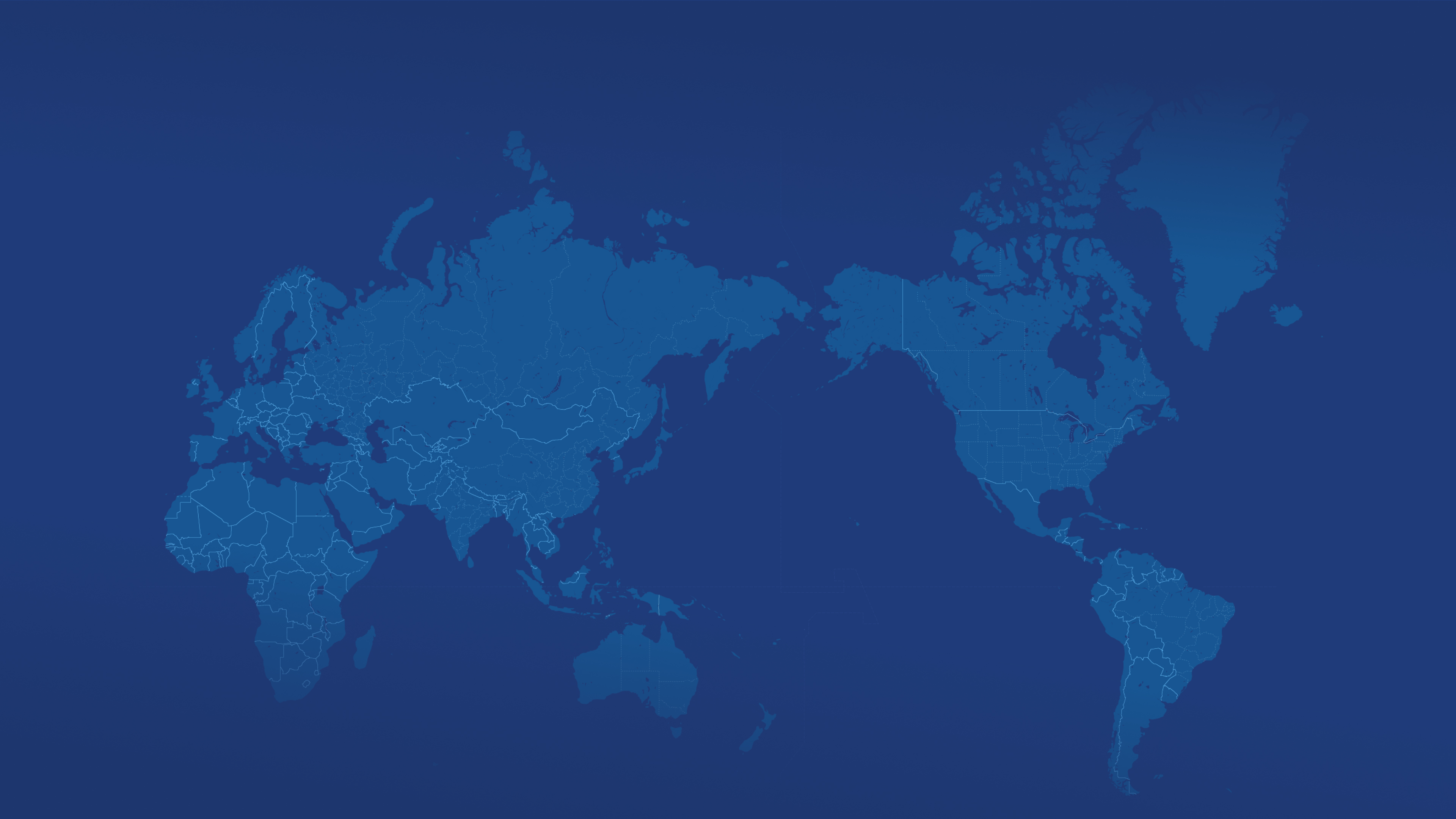








A Global Network Connecting Major Grain-Producing
Regions and Demand Markets Worldwide
A stable grain supply chain is operated from major producing countries such as Argentina, Brazil, the United States, Romania, and Ukraine to key markets including South Korea, China, and Vietnam.